D-DAY

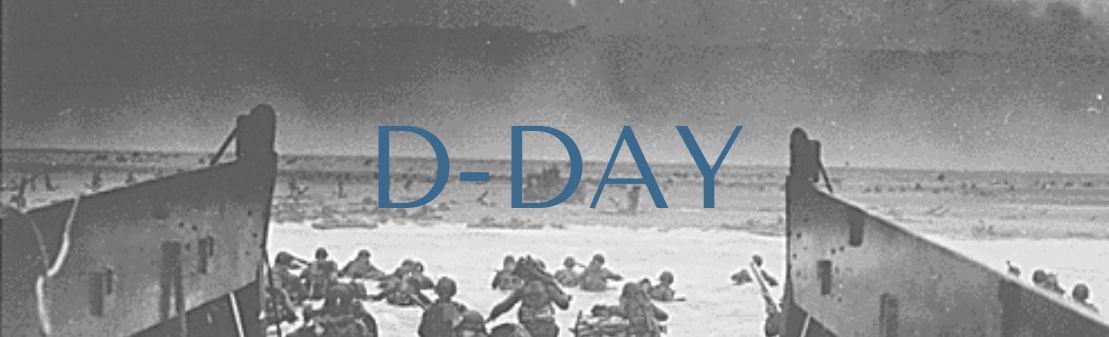
Normandy Invasion, June 6, 1944. National Archives

In the weeks leading up to the Allied Invasion, coded messages personnels were aired into France through the BBC and communicated signals for SOE/OSS action.

"In addition to his work of coding, decoding, and actual communication schedules, the operator would listen to the regular BBC broadcasts for special messages either referring to parachutes for the local reception fields or giving the signal for action in accordance with the broad sabotage or guerilla warfare plans.”

- Origin and development of Resistance in France, Office of Strategic Services, c. 1944
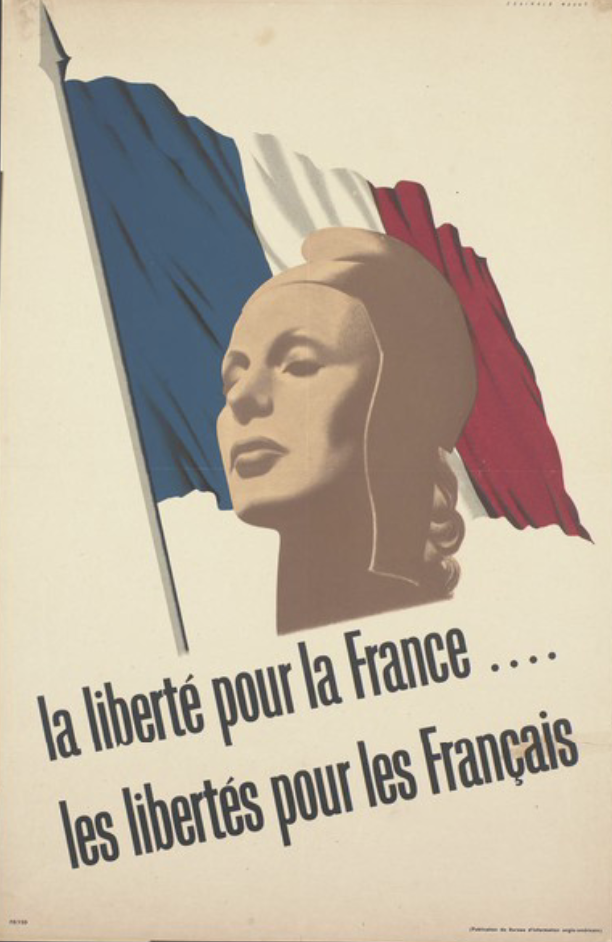
La Liberté pour la France [Freedom for France], 1944. Imperial War Museums

Radio-Londres - Les Français Parlent aux Français - Honneur and Patrie (les messages personnels). c. 1944. Archives Radio

On June 6, 1944, Allied forces arrived on the shores of Normandy.

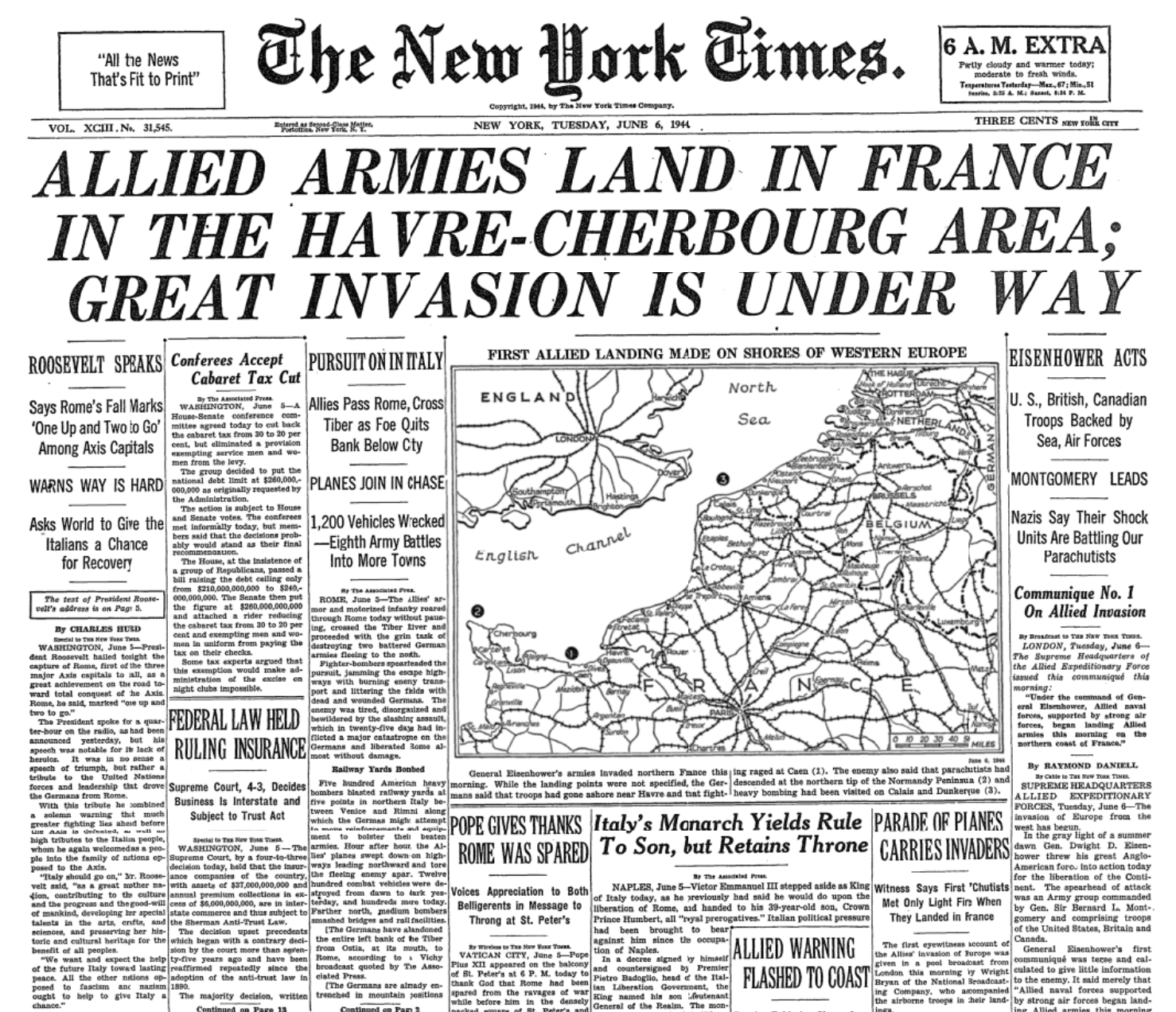
June 6, 1944. New York Times

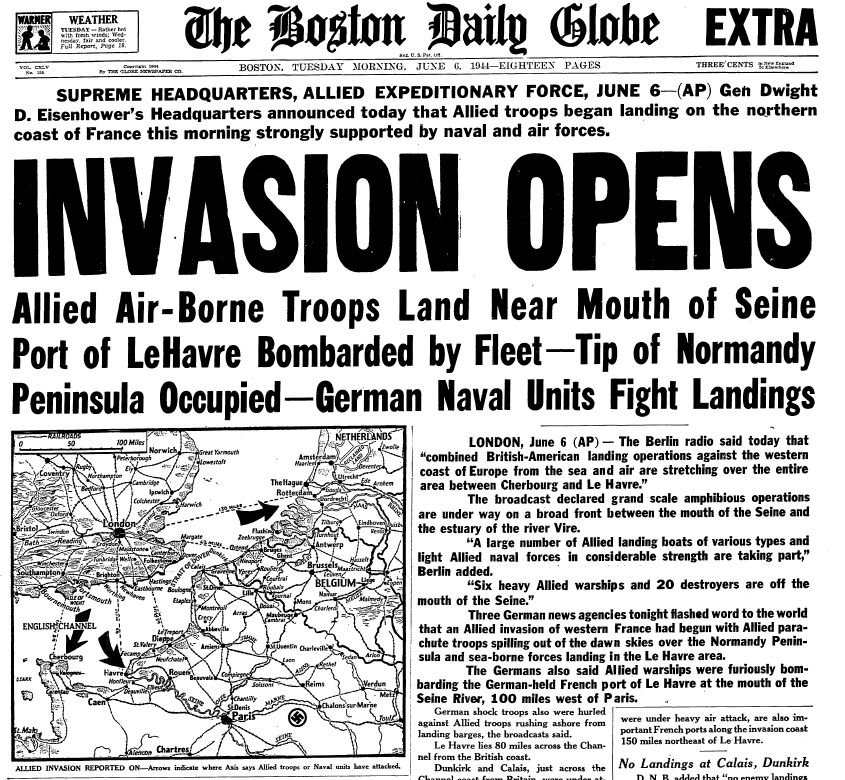
July 6, 1944. Boston Daily Globe

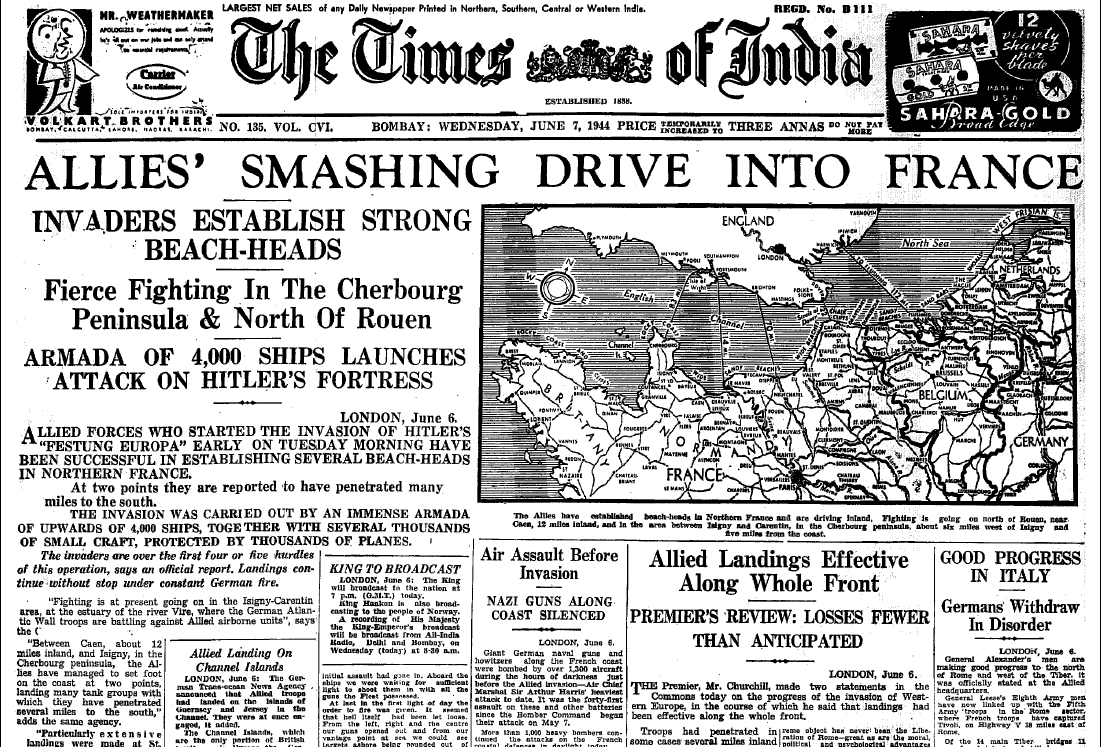
July 7, 1944. The Times of India

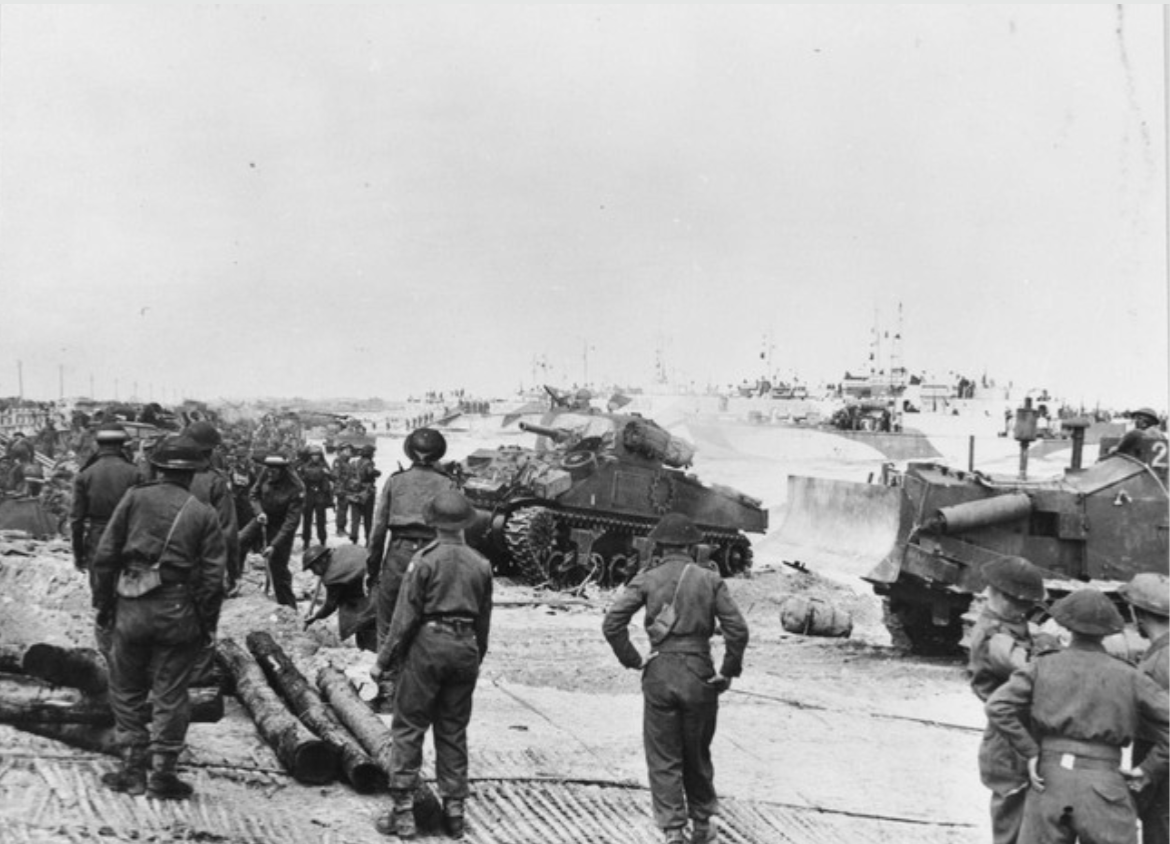
  A Sherman tank of the 27th Canadian Armoured Regiment, June 6, 1944. Imperial War Museums

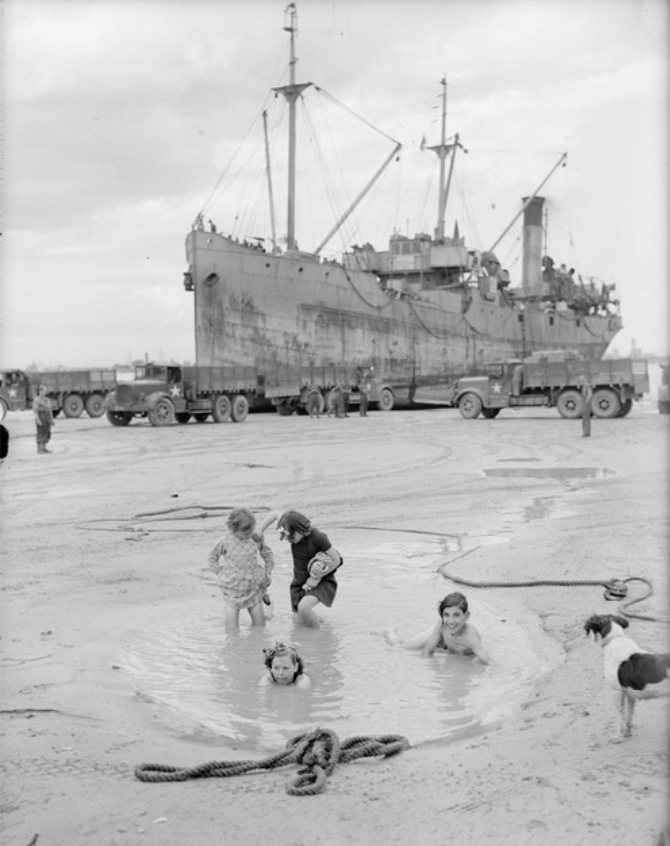
French children playing in a pool on the beach at Arromanches while a ship discharges its cargo in the background. June 7, 1944. Imperial War Museums

D-Day Greatest Combined Operation In World's History, June, 1944. British Pathé

The information Hall had courageously procured and communicated was crucial for invasion. Furthermore, Hall successfully united and armed SOE/OSS officers and maquis she’d been collaborating with to sabotage Nazi defenses.

“After supper, the night of our arrival, Diane [Virginia] gave us a clear picture of the situation as it stood in the Haute Loire, which was in a very few words: Everything is over. When I say over, I mean that there were no Germans in the District. Three battalions had been completely armed by Diane and under the tactical supervision of the Jed team, and reception fields had been chosen and reception committees fully organized. It was clear to Hemon and myself that we were too late, but we decided on the spot that we would help Diane in any way possible.

- 2nd Lieutenant Henry D. Riley, 1944. (F-Section circuits. Report by participating American personnel of OSS)


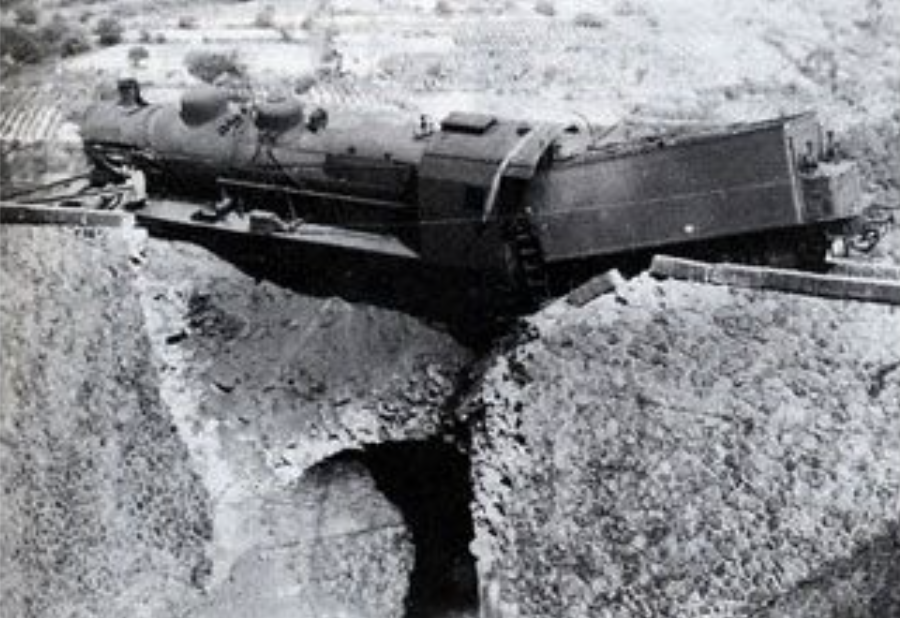
"This demolition is typical of the sort Virginia's group inflicted on the Nazis. This train was in the midst of crossing the Pont de Chamelières when detonation occurred." August 2, 1944. Judith L. Pearson