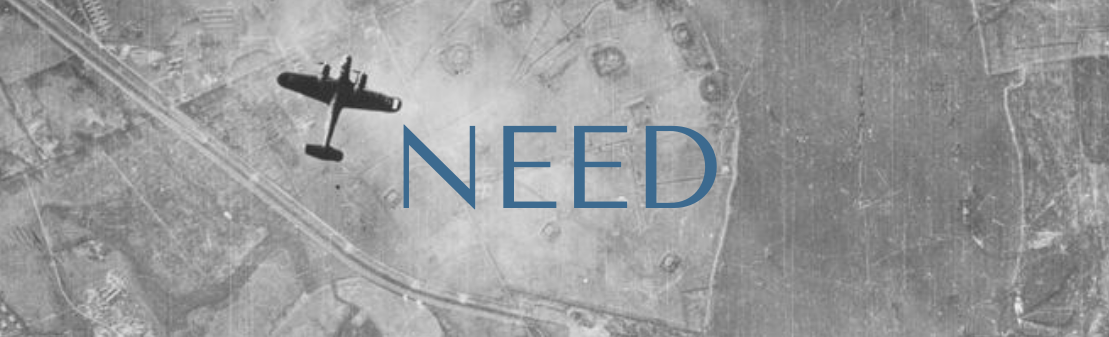
The London Blitz, September 7, 1940. Imperial War Museums
By the summer of 1940, Germany occupied most European countries. Britain suffered through home attacks and faced the threat of invasion.
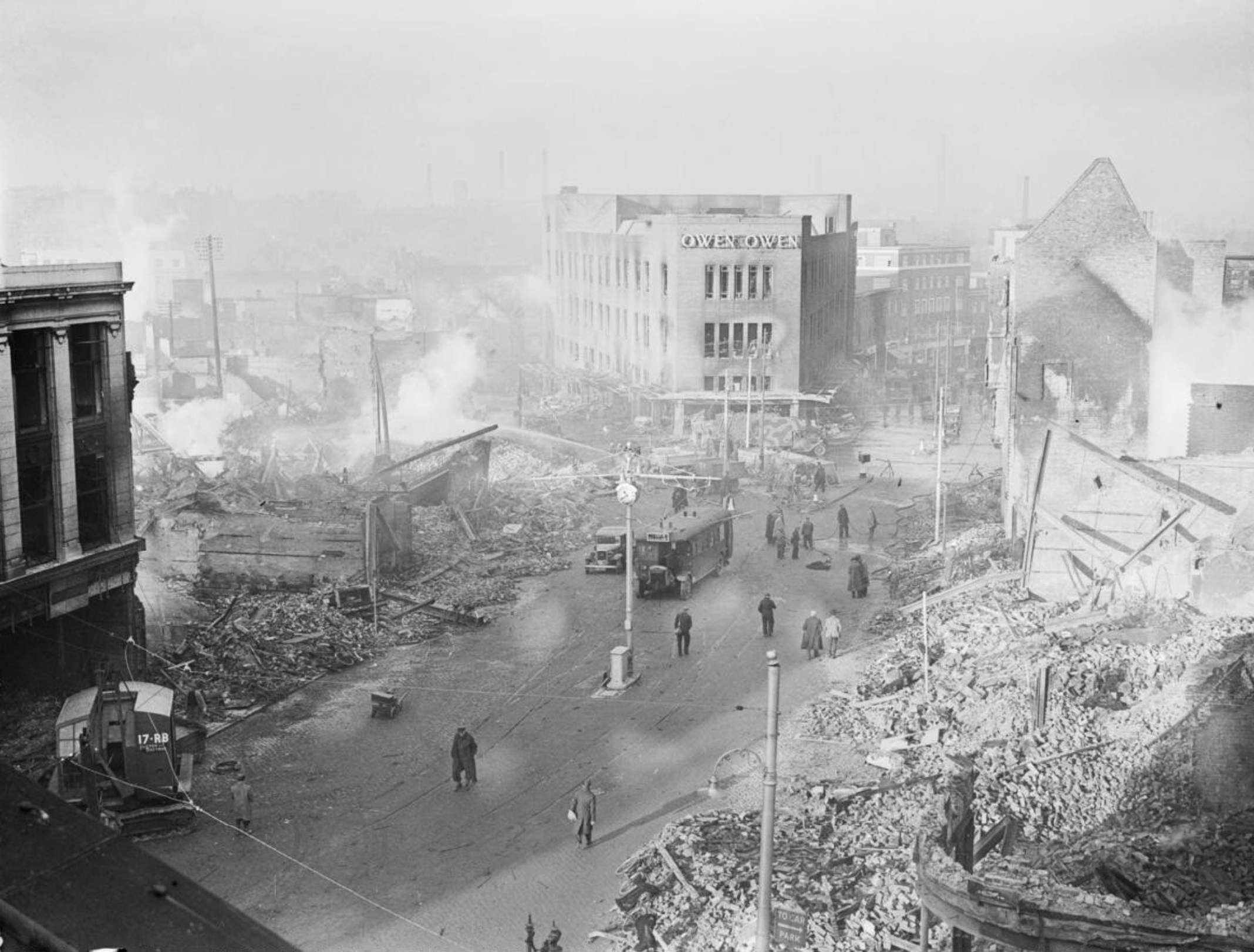
"Bomb damage in the centre of Coventry, following the German air raid on the night of 14 November 1940". Imperial War Museums
"The aim of this operation is to eliminate the English Motherland as a base from which the war against Germany can be continued, and, if necessary, to occupy the country completely."
-Adolf Hitler in Führer Directive No. 16, July 16, 1940 (Rose 17)
Despite existing British intelligence agencies, a new form of communication was needed; information to understand enemy situations sent by shadow warriors who could simultaneously sabotage Nazi efforts.
“[the] fact that the British Empire stands invincible, and that Nazidom is still being resisted, will kindle again the spark of hope in the breasts of hundreds of millions of down-trodden or despairing men and women throughout Europe, and far beyond its bounds, and that from these sparks there will presently come cleansing and devouring flame.”
-Winston Churchill, August 20, 1940 (Stafford 26)
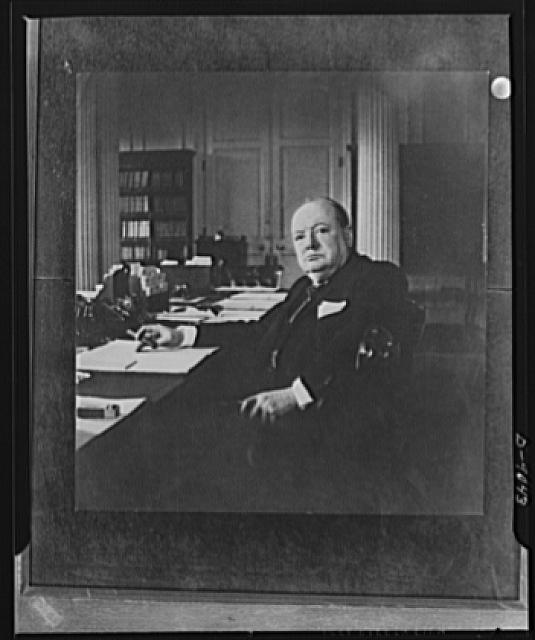
Winston Churchill, 1943. Library of Congress
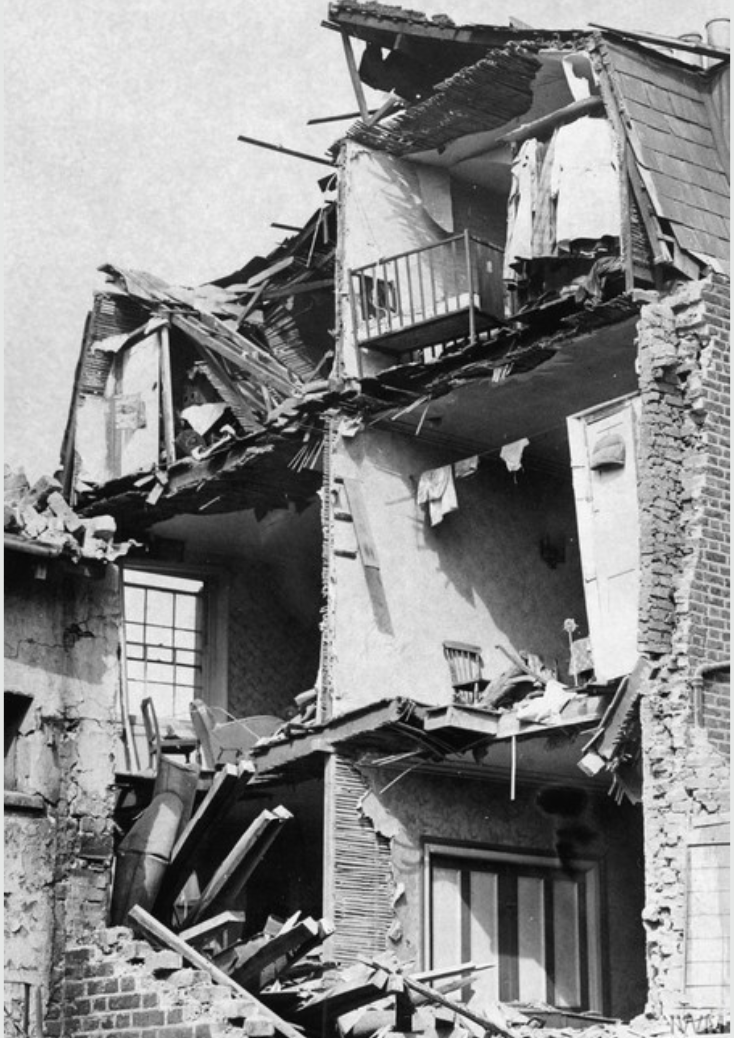
Bomb Damage in Southeast London, August 29, 1940. Imperial War Museums
“It is urgent and indispensable that every effort should be made to obtain secretly the best possible information about the German forces in various countries and to establish intimate contacts with local people and to plant our agents among them.”
-Winston Churchill, 1940 (Thomas and Lewis ix)
In response, the Special Operations Executive (SOE) was formed on July 22, 1940.
"Our population will fight the Germans on the beaches and in the fields, in the villages, towns, cities, and ultimately, London. SOE will pave the way for victory."
-Winston Churchill, 1940 (Thomas Lewis ix)
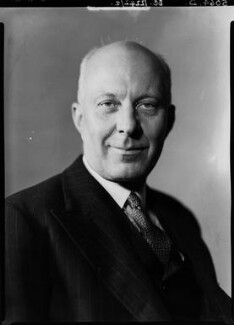
Hugh Dalton, first leader of the SOE, 1940. National Portrait Gallery, London