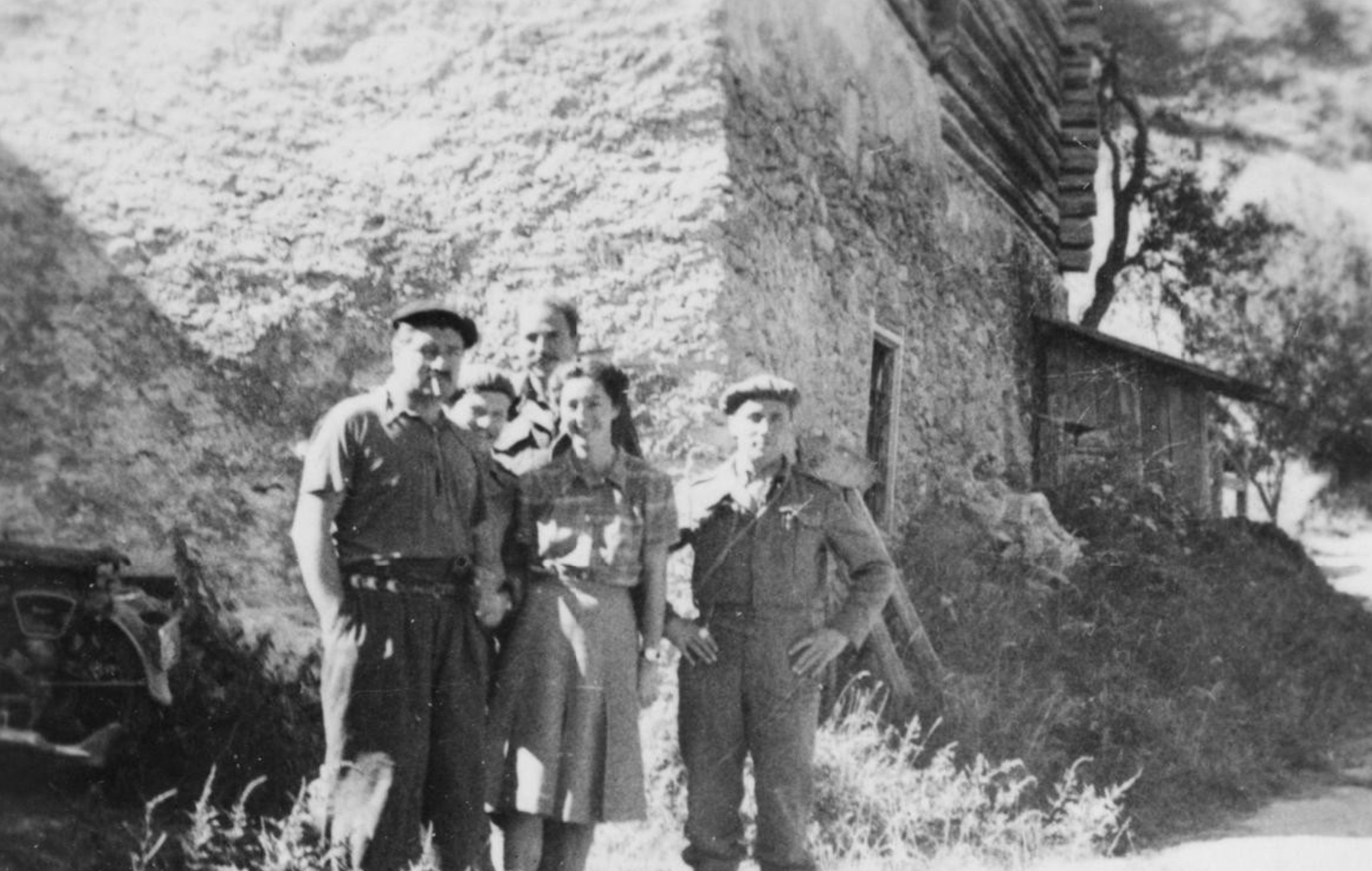
Members of the Maquis and British officers in the Queyras Valley, August 1944. Imperial War Museums
Oxford Street, February, 1941. Imperial War Museums
F Section (France) would execute sabotage and send communications to widen Britain’s understanding of Nazi movement. This unprecedented form of “ungentlemanly” warfare required unprecedented recruits. However, British officials opposed the idea of women in combat and being trained for irregular warfare.
“Underground warfare was an unknown art in England in 1940; there were no text-books for newcomers, no old hands to initiate them into the experiences of the last war . . . lessons had to be learned in the hard school of practice.”
-Lord Selborne, 1940 (Stafford 27)
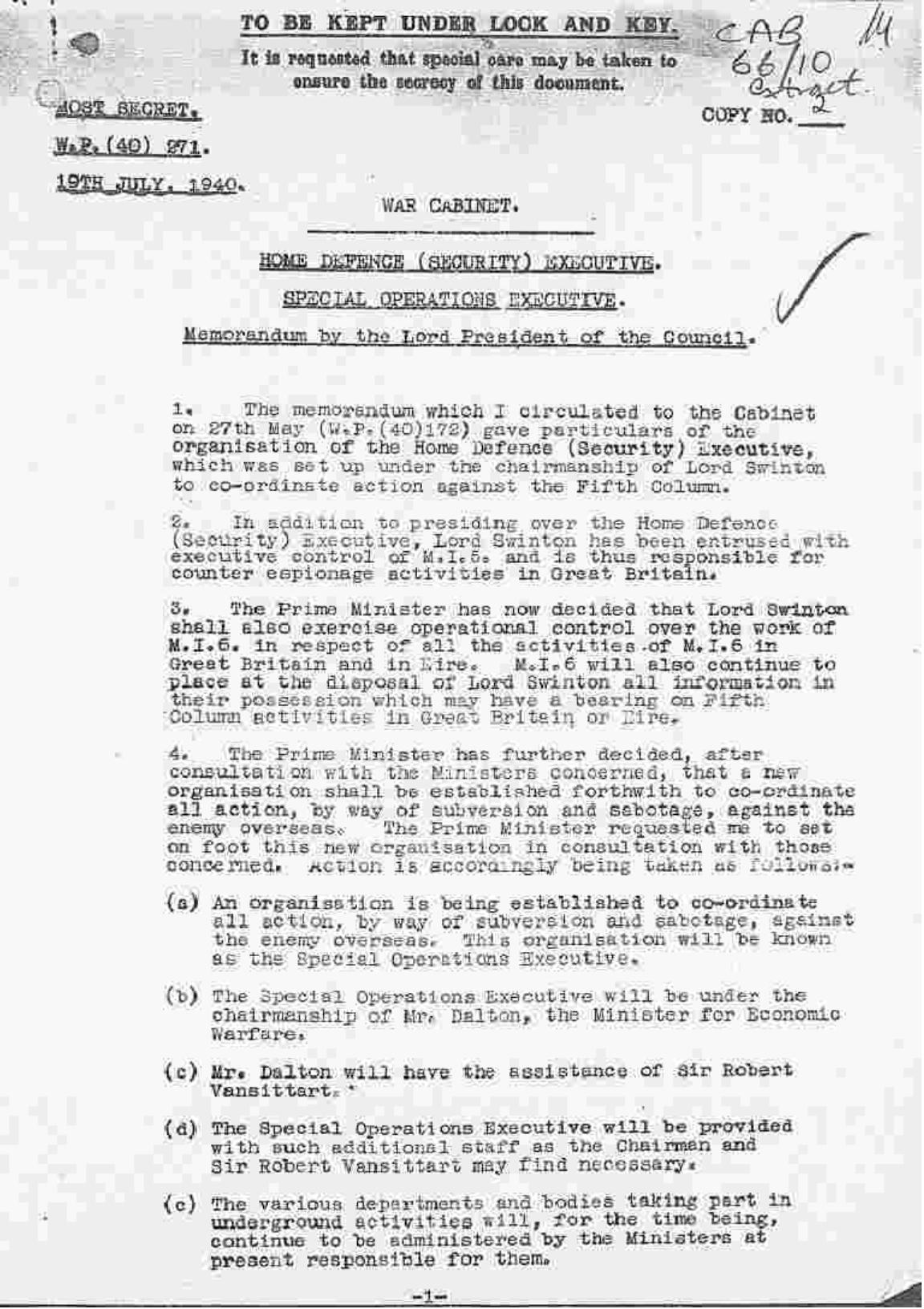
Home Defence (Security) Executive. Special Operations Executive., July 19, 1940. British National Archives
“I was responsible for recruiting women for the work, in the face of a good deal of opposition from the powers to be, who said that women, under the Geneva Convention, were not allowed to take combatant duties which they regarded resistance work in France as being.”
-Selwyn Jepson, F Section recruiter, 1986 (Carlomango 22)
Women were eventually enlisted for their inconspicuousness in wartime France, still they faced sexism from trainers and were prohibited from officially taking leadership positions.
Members of the Maquis and British officers in the Queyras Valley, August 1944. Imperial War Museums
"Girl couriers were used extensively, because it was a fact that women were rarely stopped at controls; and only during the period immediately before the Liberation—and even then rarely—were they searched. They were seldom picked up in mass arrests. They provided excellent cover for their movements about the country by visiting friends, carrying out shopping expeditions and later, foraging the country for food."
-SOE report from the Netherlands, c. 1945 (Carlomango 23)
"I was rather annoyed to discover men only were used as group leaders. There was real discrimination there. But women and men were taken as radio operators, as couriers, and men only for sabotage.”
- Yvonne Cormeau, SOE officer, 1984 (Cormeau)
“a nice girl, [who] darned the men’s socks, would make an excellent wife for an unimaginative man, but not much more than that"
- SOE trainer, c. 1943, in reference to Yolande Beekman, wireless operator who was later executed by Nazis (Thomas and Louis xvi)
Other intelligence agencies opposed the SOE’s unorthodox approach as responsibilities overlapped.
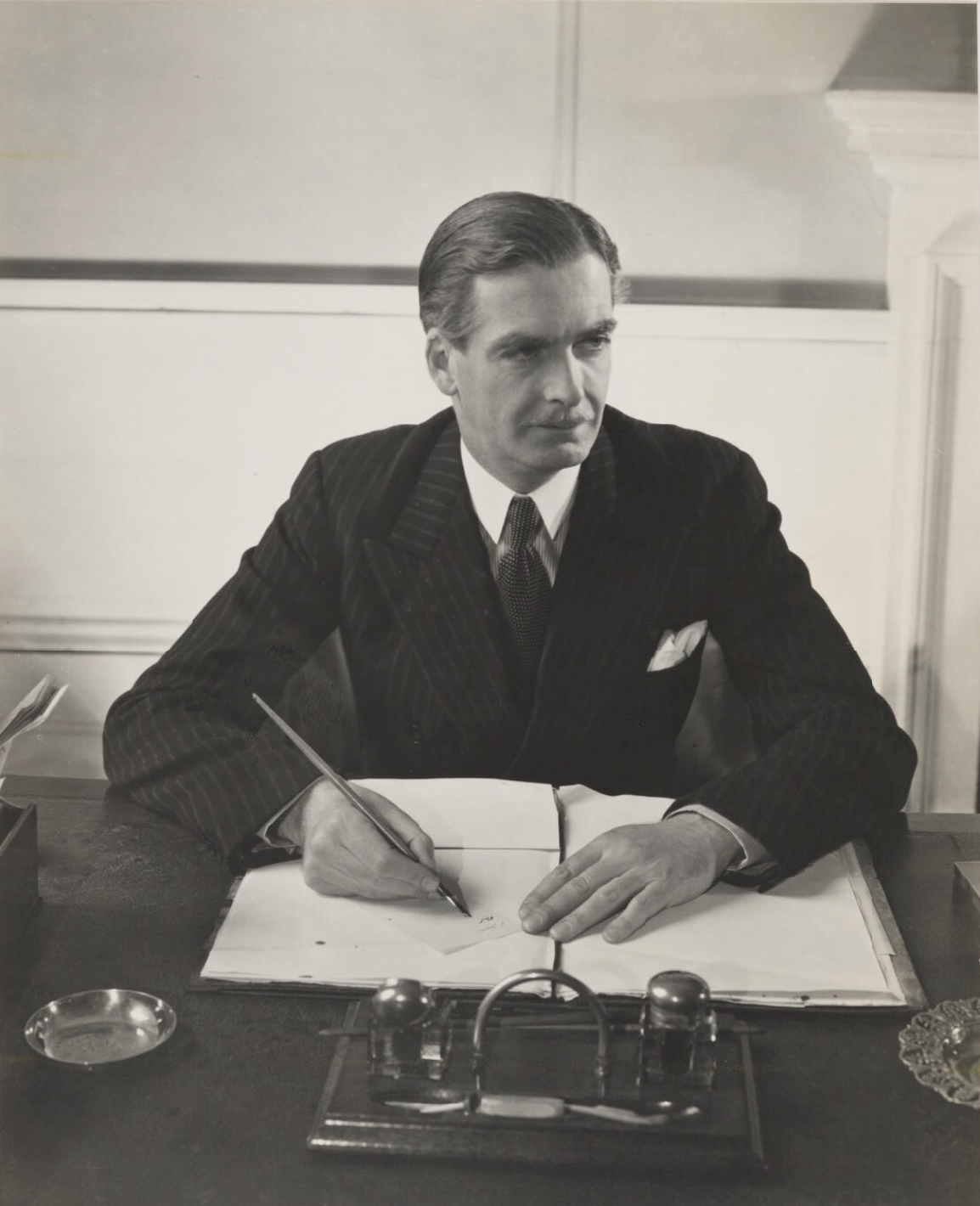
Anthony Eden, 1st Earl of Avon, 1942. National Portrait Gallery, London
"One feature of what I have found worries me considerably, and that is the friction that exists between S.O.E. and S.I.S. [Secret Intelligence Service] . . . with all these agents S.O.E. endeavor to keep up regular wireless and other communication . . . There is, therefore, an inevitable overlap between the S.O.E. and S.I.S. which means that the two services must work in harmony."
-Letter to Anthony Eden from Ministry of Economic Warfare, March 31, 1942 (S.I.S. and S.O.E.)